
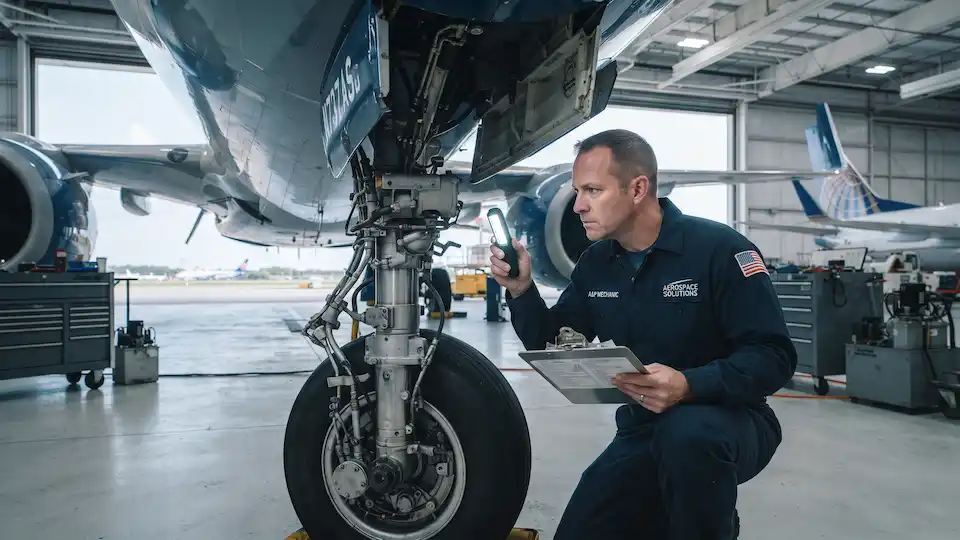
Buying a used aircraft is a significant capital commitment that requires structured technical and legal due diligence. Knowing how to execute a thorough pre-purchase inspection, audit historical logbooks, verify registered title status, and inspect past FAA Form 337 major repairs helps buyers avoid inheriting hidden structural corrosion, unrecorded damage, or unclosed financial encumbrances.
Aviation transactions differ fundamentally from standard vehicle purchases. Fresh exterior paint and upgraded glass avionics cannot compensate for deferred airframe maintenance or missing maintenance documentation. Partnering with independent technical specialists and following a disciplined acquisition process protects capital investment and confirms airworthiness conformity.
Key Takeaways
- A pre-purchase inspection should ideally be conducted by an independent qualified mechanic or repair station representing the buyer.
- Aircraft logbooks require a thorough chronological audit from initial delivery, verifying AD compliance records and documented major alterations.
- Official title searches examine registered ownership records, mortgages, and recorded encumbrances on file with the civil aviation registry.
- Binding appropriate aviation insurance coverage and completing an acceptance flight are standard prerequisites before authorizing final escrow disbursement.
Assembling the Acquisition Team and Escrow Structure
Navigating a used aircraft acquisition benefits substantially from experienced technical and legal guidance. An effective acquisition team often includes an aviation escrow or title agent to handle funds and documents, legal counsel familiar with aviation purchase agreements, and an independent FAA-certificated A&P mechanic holding Inspection Authorization (IA) or an accredited Part 145 repair station experienced with that specific aircraft type.
Relying solely on the seller's resident mechanic can create potential conflicts of interest; having an independent inspector examine the airframe provides an objective evaluation of structural condition and deferred maintenance items. While repair facilities require certified ratings for return-to-service approvals, aircraft brokers and independent distributors facilitate transactions without requiring Part 145 certificates. Placing deposit funds into a dedicated aviation escrow account subject to a formal technical inspection contingency clause helps protect deposits if unairworthy discrepancies emerge.
Conducting the Logbook and Records Audit
While the maintenance technician inspects the physical airframe, a comprehensive audit of permanent maintenance records must be performed. Airframe, engine, and propeller logbooks should maintain continuous chronological entries. When checking regulatory status, distinguish between Airworthiness Directives and Service Bulletins: an airworthiness directive is mandatory under 14 CFR Part 39 to correct unsafe conditions, whereas a manufacturer Service Bulletin is generally optional for Part 91 general aviation operators unless expressly mandated by an AD, incorporated into mandatory Airworthiness Limitations (ALS), or required by an approved commercial maintenance program.
When examining major repairs and alterations documented on FAA Form 337, confirm the entries match standard regulatory structure: Block 3 is reserved for FAA use only, Block 6 contains the conformity statement from the modifier, Block 7 records the approval for return to service, and Block 8 details the description of work performed. Confirm that major structural modifications are supported by a valid Supplemental Type Certificate, an approved field approval, or other FAA-approved technical data matching the aircraft serial number.
| Acquisition Phase | Key Action Item | Primary Risk Addressed |
|---|---|---|
| 1. Purchase Agreement | Draft binding contract with formal inspection contingency | Preserving deposit funds if major defects are found |
| 2. Title & Registry Audit | Order official aircraft title and encumbrance search | Verifying recorded ownership and absence of filed liens |
| 3. Pre-Purchase Inspection | Independent A&P/IA physical structural and systems audit | Identifying concealed corrosion or undocumented repairs |
| 4. Logbook & AD Audit | Check AD compliance, Form 337 records, and STCs | Preventing regulatory grounding from missing records |
| 5. Closing & Acceptance | Bind insurance coverage and file registry transfer | Ensuring continuous liability and hull protection |
Physical Pre-Purchase Inspection and Systems Review
A comprehensive pre-purchase inspection typically includes removing access panels, inspecting wing spars and cabin bulkheads for corrosion, checking control cable tensions, and evaluating powerplant condition. Technicians routinely conduct compression tests and internal borescope examinations following established used engine evaluation practices.
If the borescope or compression inspection reveals internal cylinder scoring or cam distress, reviewing an engine overhaul vs repair vs replacement guide helps determine whether localized repairs or a full powerplant rebuild are necessary before finalizing price negotiations. Additionally, verify that the aircraft possesses a valid airworthiness certificate—such as an FAA Form 8100-2 for standard category aircraft, Form 8130-7 for special category aircraft, or Form 8130-4 for export airworthiness certification—as detailed in our guide to airworthiness certificates explained.
Common Pre-Purchase Considerations
Prospective buyers often face avoidable costs by overlooking three essential steps. First, focusing primarily on cosmetic avionics upgrades while neglecting deep structural inspection, which can leave major corrosion unaddressed until the next mandatory inspection. Second, omitting an official registry title search, which risks acquiring an airframe subject to previously recorded security interests or mortgages.
Third, taking delivery before securing formal aviation hull and liability insurance binders, creating unprotected risk exposure during ferry flights.
Frequently Asked Questions
Who pays for an aircraft pre-purchase inspection?
By standard industry convention, the prospective buyer typically pays for the pre-purchase inspection and associated technician labor, unless specific cost-sharing terms are negotiated in the purchase agreement.
What does an FAA aircraft title search reveal?
An official title search examines registered records maintained at the FAA Aircraft Registry, verifying chain of title, current recorded ownership, and any recorded mortgages, liens, or encumbrances on file.
Can a buyer exit a purchase agreement after the inspection?
Yes, provided the purchase contract contains a clear inspection contingency clause. If the technical inspection identifies unbudgeted airworthiness discrepancies or damage, the contingency clause allows the buyer to terminate the contract and request a full return of escrow funds.