
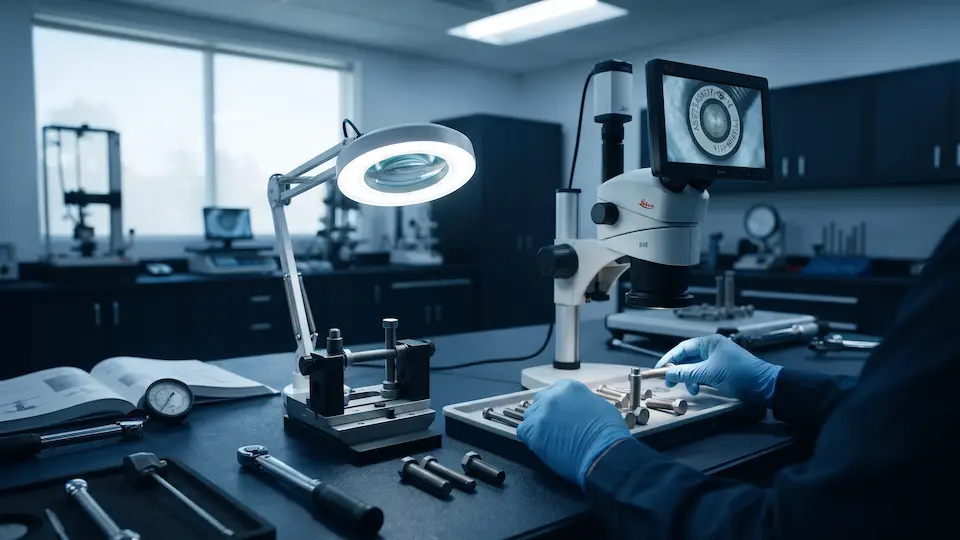
Detecting counterfeit aircraft parts requires identifying Suspected Unapproved Parts before fraudulent hardware enters active flight inventories. Non-conforming, falsified, or improperly maintained components compromise aviation safety, forcing certified technicians, quality inspectors, and procurement teams to scrutinize physical markings, trace airworthiness paperwork back to approved sources, and enforce strict receiving inspection checks.
The commercial aerospace industry operates under a zero-tolerance mandate for counterfeit materials. Whether an unapproved part is an intentionally counterfeited turbine blade or a genuine part repaired by an uncertificated shop, its presence on an aircraft invalidates the airworthiness certificate and endangers human life.
Key Takeaways
- A Suspected Unapproved Part (SUP) is any component that does not meet approved design data or airworthiness criteria.
- Physical indicators include uneven surface finishes, improper etching, mismatched part numbers, and lack of lot traceability.
- Fraudulent documentation—such as altered or photocopied Form 8130-3 certificates—is the leading indicator of counterfeit hardware.
- Discovered unapproved parts must be quarantined immediately in a secure hold area and formally reported to the FAA or EASA.
What Exactly Is a Suspected Unapproved Part (SUP)?
Under FAA Advisory Circular AC 21-29 (Detecting and Reporting Suspected Unapproved Parts), a Suspected Unapproved Part (SUP) is defined as any aircraft part, component, or material that is suspected of not meeting the requirements of an approved design or of not having been produced or maintained in accordance with applicable federal aviation regulations.
SUPs encompass several categories beyond crude counterfeits:
- Counterfeit Parts: Articles manufactured fraudulently and falsely marked to imitate genuine OEM or PMA components.
- Unapproved Production Overruns: Genuine parts manufactured by an approved supplier that exceed contracted production volumes and are sold without quality authorization.
- Improperly Maintained Parts: Used parts repaired or overhauled by unauthorized individuals or facilities lacking Part 145 certification, accompanied by forged release tags.
- Scrapped or Salvaged Parts: Components that exceeded structural life limits or sustained damage during an incident, illegally diverted from the scrap bin and refurbished cosmetically.
Physical and Documentation Red-Flag Checklist
Quality receiving inspectors and certified technicians must evaluate every component against rigorous physical and documentation criteria before accepting it into active inventory:
| Inspection Category | Red-Flag Warning Sign | Verification Action | Risk Level |
|---|---|---|---|
| Physical Appearance | Inconsistent machining marks, weld spatter, uneven plating | Compare surface finish to CMM and OEM specifications | High |
| Part Markings | Misspelled text, altered vibro-etching, hand-stamped serials | Verify font, depth, and placement against OEM drawings | Critical |
| Documentation | Photocopied Form 8130-3, whited-out serial numbers, missing stamps | Contact issuing repair station or PAH directly to verify tag | Critical |
| Pricing & Availability | Price drastically below prevailing market rate with instant delivery | Cross-reference standard market pricing and OEM lead times | Medium / Warning |
| Packaging | Commercial retail boxes, missing anti-static bags, lack of lot tags | Inspect for OEM protective shipping containers and barcoding | Medium |
Inspectors must pay special attention to fastener heads, electrical connectors, and hydraulic seals, where counterfeiters frequently apply forged specification marks to low-grade hardware.
Supplier Vetting and Quality Accreditation Systems
The most effective defense against counterfeit components is establishing strict supplier vetting protocols. Aerospace organizations avoid unverified brokers by mandating formal quality management accreditations across their approved vendor list (AVL):
- AS9120 Certification: The global quality standard tailored specifically for aerospace distributors, mandating rigorous counterfeit part prevention procedures, lot traceability, and record retention. Learn more in our guide to AS9120 and AS9100 explained.
- FAA AC 00-56 Accreditation: The FAA Voluntary Industry Distributor Accreditation Program, which certifies that distributors maintain robust quality tracking systems recognized by the FAA.
- Authorized Franchised Distribution: Direct contractual links with OEMs or licensed PMA holders providing unbroken chain of custody.
Understanding the legal framework governing sales is equally critical; review our guide on how to sell used aircraft parts legally for mandatory compliance obligations.
Quarantine and Mandatory Regulatory Reporting Protocols
If an incoming inspection reveals a suspected unapproved or counterfeit part, immediate action is mandatory under aviation safety regulations. Technicians must never return the part to the supplier or discard it in unsecured trash:
- Physical Quarantine: Immediately tag the component as unserviceable and segregate it into a physically locked quarantine cage to prevent accidental flight installation.
- Internal Quality Audit: Review the procurement trail, purchase order, shipping manifest, and receiving documentation to trace the source of supply.
- Supplier Notification: Notify the vendor in writing that the part is held in quarantine pending airworthiness investigation.
- Regulatory Notification: Submit an official notification to the aviation authority. In the United States, file an FAA Form 8120-11 (Suspected Unapproved Parts Notification) or contact the local Flight Standards District Office (FSDO). In Europe, submit a report through the EASA Occurrence Reporting system.
Frequently Asked Questions
What is a Suspected Unapproved Part in aviation?
A Suspected Unapproved Part (SUP) is any aircraft part or material suspected of not meeting approved type design standards or not produced/maintained by certified entities.
How do you report counterfeit aircraft parts to the FAA?
Report suspected counterfeit parts using FAA Form 8120-11 (Suspected Unapproved Parts Notification) or by contacting your local FAA Flight Standards District Office.
What physical signs indicate a fake or non-conforming part?
Signs include inconsistent surface finishes, crude or misspelled vibro-etching, hand-stamped serial numbers, photocopied release tags, and uncharacteristically cheap pricing.
What supplier certifications reduce counterfeit risk?
Procuring parts from suppliers certified under AS9120 quality standards or accredited under the FAA AC 00-56 voluntary distributor program significantly reduces counterfeit risk.